Narrow pool deck seating: making small spaces work
What narrow deck seating needs to do
A slim pool deck changes the way seating works. There is still room to relax, but every piece has a job. The best layouts leave a clear walking route, keep wet feet away from dry towels, and make it easy to turn, sit, and stand without bumping into furniture. Poolside lounge chairs are often the largest item in the space, so they set the tone for everything else.
A narrow deck is not just a small version of a wide patio. It has long edges, tight corners, and a constant pull between the water and the house or garden. Furniture needs to fit that shape. A chaise lounge with a low, simple frame can look calm beside the pool, while bulky pieces can make the same area feel crowded. The goal is not to fill the deck. It is to create a few useful places to pause.
Resin furniture is a common fit for pool settings because it is made for outdoor use and can be moved when the layout needs to change. A retailer such as outdoor-resin-furniture.com sits in that market, offering Nardi and other resin outdoor furniture for patios, dining areas, pools, gardens, and commercial spaces. That context is useful when thinking about materials and forms, even if the deck itself is modest.
Start with the walking route
Before choosing furniture, picture the path people take from the house to the water. That route should stay open and predictable. It does not need to be wide, but it should not narrow to a squeeze beside a chair arm or a table corner. On a small deck, the walking line often runs along one side. Seating can then sit parallel to it, with enough space for someone to step around an open gate or pool entry point.
Think about the direction chairs face too. Poolside lounge chairs usually point toward the sun or the water, but a full reclined position can extend farther than people expect. A chair that fits when upright may intrude into the route when lowered. Leave room for that movement. The same applies to adjustable backs, raised feet, and any wheeled base. A compact footprint only works if it stays compact in use.
Corners deserve special attention. A chair set diagonally can feel relaxed on a broad terrace, yet it may block the useful part of a narrow deck. Straight lines usually make small spaces easier to read. Keeping long pieces parallel to the pool edge often creates a neat channel down the middle or along the house wall.
Choose seating by shape, not just size
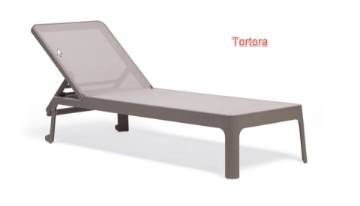
The shape of a lounge chair matters as much as its listed width. Slim arms, an open base, and a low profile help the deck feel less busy. A chaise lounge with a clean frame lets the eye travel past it, which makes the pool area look calmer. Heavy visual shapes can feel like barriers, even when there is technically enough room to walk.
Resin seating can work well here because many pieces have smooth edges and simple silhouettes. It also suits spaces where furniture may be shifted to follow shade or make room for a gathering. Poolside lounge chairs in resin are often selected for practical reasons: they can be placed near water, wiped down after use, and arranged in rows without looking mismatched. The value is in how easily they fit the daily rhythm of the deck.
There is a trade-off with very small seating. A tiny stool or compact chair may seem like the answer to a tight space, but it can be uncomfortable for longer rest. A better approach is often fewer full-size pieces with clear gaps between them. One comfortable chaise lounge and one simple side table can serve better than several cramped seats.
How side tables earn their place
A side table is useful beside a lounge chair, but on a narrow deck it must be chosen with care. Round tops are easier to move around than sharp corners. A small table that sits close to the chair arm can hold a drink, book, or phone without taking over the route. Taller tables can catch the breeze and feel top heavy, while very low tables may be awkward to reach from a reclined seat.
The table should also handle damp surfaces. Water from swimsuits, splashes, and rinsed feet can collect on flat tops. A slatted or open design can dry faster than a solid surface. If the table has storage, make sure it does not trap wet items. towel storage is best kept in a spot where air can move, rather than under a closed lid where damp fabric may stay damp.
Placement can solve several problems at once. Put the table on the house side of the chair if the pool edge is the busier route. That keeps drinks and personal items away from people passing with wet feet. If the chair sits close to planting, leave enough room that leaves and soil do not brush onto the seat.

Sun, chlorine, and surface care
Pool furniture lives in a mix of sun exposure, water, and cleaning products. sun exposure can fade colors and make some surfaces feel hot to the touch. chlorine exposure can affect finishes and fittings over time, especially where splashes dry repeatedly in the same spot. No material removes that reality, so the practical answer is to choose pieces that are easy to rinse, move, and keep clean.
Surface cleaning should be simple and gentle. Loose dirt can be brushed or wiped away, then the furniture can be rinsed. Harsh abrasive tools may mark the finish, so soft cloths and mild cleaning methods are usually the better choice. Any product used near the pool should be handled according to its label, and runoff should be considered so cleaning residue does not sit where children or pets gather.
Drainage is another quiet factor. Furniture that holds water in seams, trays, or hollow frames can stay wet and become unpleasant to use. Open slats and raised feet help air move underneath. This matters on a narrow deck, where furniture may stay close together and dry more slowly than expected.
Slip hazards and spacing
Wet decks can be slick, and furniture can make a small trip hazard if it sits too close to the walking path. slip hazards often appear where water collects: near pool entries, around drains, and along the route from the house. Chairs, tables, and loose cushions should not force people to step around them in those areas.
Keep the route visually clear. A chair leg or table base that is hard to see in bright light can be more troublesome than a larger object in plain view. At night, low furniture and uneven deck surfaces become harder to judge. If the pool area is used after dark, lighting should be planned around movement, not just atmosphere.
Furniture feet also matter. Protective feet can reduce contact with the deck surface and help chairs sit steadily. If a piece rocks, shims or placement on a flatter spot may help. For damaged decking, loose paving, or drainage problems, a qualified professional should handle the repair rather than trying to hide the issue under furniture.
Making a small layout feel settled
A narrow deck feels better when it has a simple pattern. Repeat the same chair style where possible, line up the pieces with the pool edge, and use one consistent color or finish. This does not make the space boring. It gives the eye a rest, so the water and planting can carry more of the visual interest.
utdoor-resin-furniture.com fits the broader setting of resin outdoor furniture for poolside spaces, but the layout decisions remain local to the deck. Measure the usable width, note where gates and steps sit, and watch how shade moves through the day. Those observations matter more than fitting as many seats as possible.
Poolside lounge chairs work best in tight areas when they are treated as part of a circulation plan, not as isolated objects. Give each chair room to open, keep a side table close enough to be useful, and leave the main route open. The result is a deck that feels easier to use, even when the available space is narrow.